
Comprehensive Guide to Wellness and Well-Being
What Wellness Really Means—and How to Build It for Life
Wellness is more than the absence of disease. It is an ongoing process of growth, adaptation, and alignment across your body, mind, and environment. True wellness supports how you feel, how you function, and how you show up in your life—physically, mentally, emotionally, and socially.
At IQ Performance Health, we view wellness as the foundation for healthy aging, resilience, and long-term performance. It is not a destination or a quick fix, but a dynamic system built through daily habits, informed choices, and sustainable strategies.
This guide breaks down the core dimensions of wellness and shows how they work together to support lasting health.

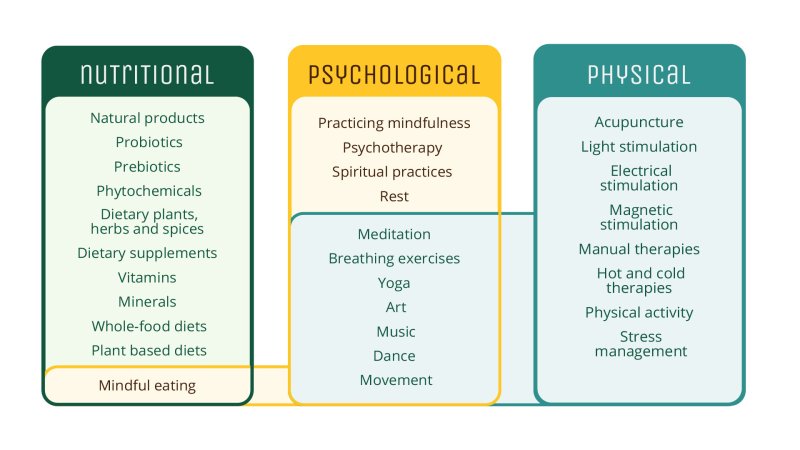
The Core Dimensions of Wellness
Wellness is multidimensional. When one area is neglected, others often suffer. When they are aligned, progress becomes easier and more sustainable.
1. Physical Wellness
Physical wellness supports the body’s ability to function, recover, and adapt.
Key elements include:
Regular movement that builds strength, mobility, and cardiovascular health
Balanced nutrition focused on whole, nutrient-dense foods
Adequate hydration to support digestion, circulation, and metabolism
Quality sleep to allow repair, hormone balance, and cognitive clarity
Reducing harmful inputs such as excessive alcohol, ultra-processed foods, and chronic overtraining
Physical wellness is not about extremes—it is about consistency and recovery.
2. Mental and Emotional Wellness
Mental and emotional wellness influence stress levels, decision-making, and overall quality of life.
Support this dimension by:
Practicing self-awareness and emotional regulation
Developing healthy coping strategies such as breathwork, journaling, or movement
Seeking supportive relationships or professional guidance when needed
Cultivating gratitude, perspective, and resilience
Emotional balance is a skill that improves with practice—not perfection.
3. Intellectual Wellness
Intellectual wellness keeps the mind engaged, adaptable, and curious.
Ways to support it include:
Lifelong learning through reading, courses, or new skills
Engaging in thoughtful discussion and critical thinking
Challenging the brain with puzzles, games, or creative work
Mental stimulation supports cognitive health and long-term brain resilience.
4. Social Wellness
Humans are wired for connection. Social wellness plays a powerful role in mental and physical health.
Strengthen it by:
Building open, respectful communication
Spending meaningful time with friends and family
Participating in community, service, or shared activities
Setting healthy boundaries to protect energy and well-being
Strong relationships buffer stress and improve overall life satisfaction.
5. Purpose and Values (Spiritual Wellness)
This dimension focuses on meaning, values, and direction—whether or not it is tied to religion.
It can be supported through:
Reflection, mindfulness, or meditation
Time in nature
Acts of service or contribution
Aligning daily actions with personal values
A sense of purpose improves motivation, resilience, and emotional stability.
6. Occupational Wellness
Occupational wellness reflects satisfaction, balance, and growth in your work or daily roles.
Healthy practices include:
Aligning work with personal values where possible
Maintaining boundaries to prevent burnout
Developing new skills and competencies
Fostering positive, respectful work relationships
Work should support life—not consume it.
7. Environmental Wellness
Your environment influences stress, behavior, and health more than most people realize.
Support environmental wellness by:
Creating clean, organized living and work spaces
Spending time outdoors
Reducing exposure to toxins and unnecessary waste
Making conscious, sustainable consumption choices
A supportive environment makes healthy choices easier.

Health vs. Wellness: What’s the Difference?
Health often refers to physical status—lab values, diagnoses, or symptoms.
Wellness is broader. It includes how you function, feel, think, and live day to day.
Wellness-focused habits improve health outcomes, reduce disease risk, and enhance quality of life over time.
Common Wellness Myths—Debunked
Myth: Wellness is just diet and exercise
Reality: Nutrition and movement matter, but so do stress, sleep, relationships, and purpose.
Myth: Supplements can replace lifestyle habits
Reality: Supplements may support health, but they cannot replace sleep, nutrition, movement, and stress management.
Myth: More is always better
Reality: Overtraining, restriction, and extremes often backfire. Balance drives long-term success.
Final Thoughts: Wellness Is Built, Not Bought
Wellness is a lifelong process—not a program you complete or a product you purchase. Small, consistent actions compound over time, creating resilience, energy, and clarity.
When physical health, emotional balance, purpose, and environment align, wellness becomes sustainable—and progress feels natural.
FAQs
How can I improve wellness daily?
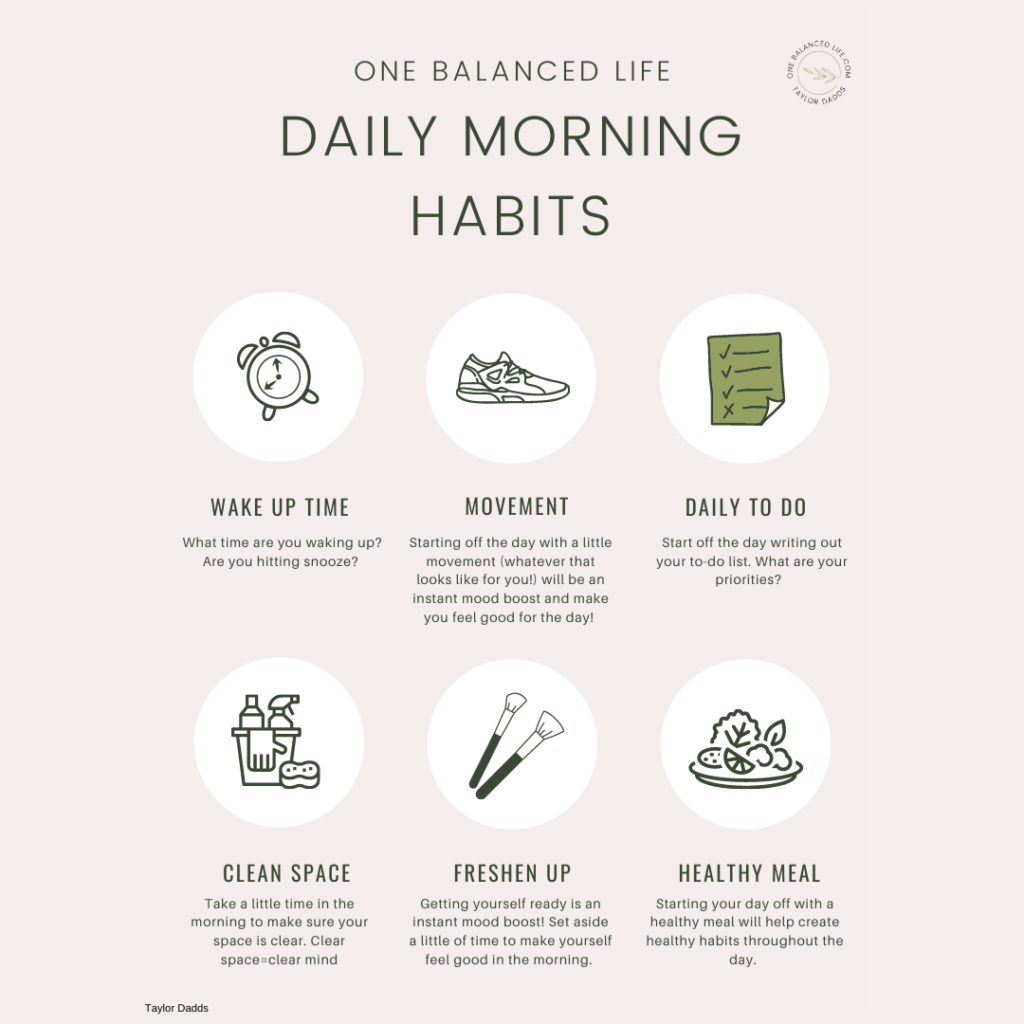
Focus on simple habits: move your body, eat real food, manage stress, sleep well, and stay connected.
Can wellness reduce disease risk?
Yes. Consistent wellness habits lower the risk of chronic conditions such as heart disease, diabetes, and burnout.
Ready to Build a Stronger Foundation?
Explore Wellness, Anti-Aging, and Performance solutions designed to support sustainable health, longevity, and resilience—without extremes.
👉 Learn more at IQ Performance Health


