Understanding Estrogen Dominance Symptoms
Understanding Estrogen Dominance Symptoms
Estrogen is an essential hormone in the body, playing a vital role in regulating the menstrual cycle, supporting mood, and promoting overall health. However, when estrogen levels become too high relative to other hormones, it can lead to a condition known as estrogen dominance. Recognizing the signs of estrogen dominance can help in managing it effectively.
What is Estrogen Dominance?
Estrogen dominance occurs when there is an imbalance in the levels of estrogen compared to other hormones like progesterone. This can happen due to various factors, including diet, lifestyle, and environmental influences. Let’s explore some of the common signs associated with this condition.
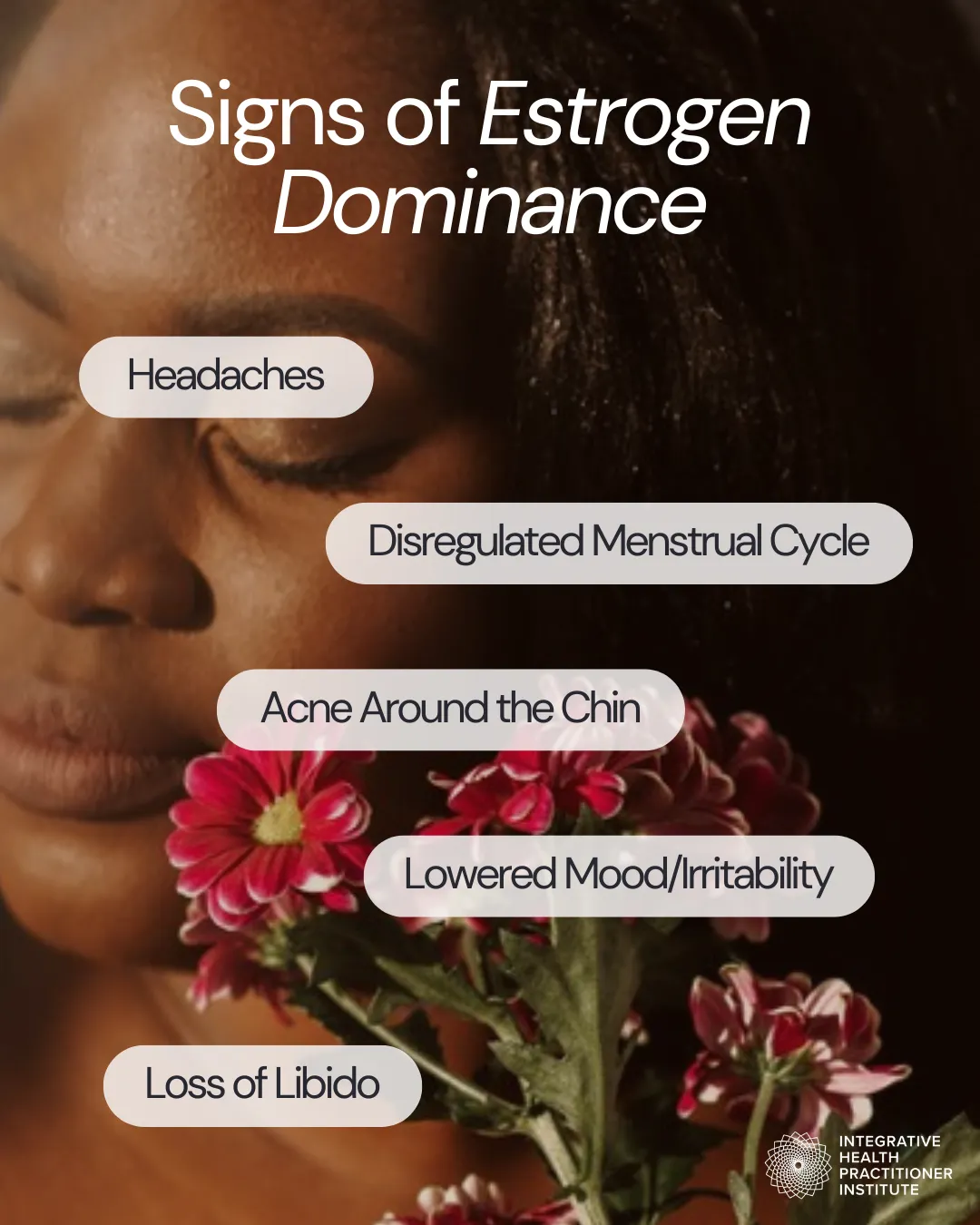
Signs of Estrogen Dominance
- Headaches: Frequent headaches can be a signal of hormonal imbalance in the body. In some cases, these headaches are related to estrogen levels being too high.
- Disregulated Menstrual Cycle: Irregular periods or changes in the menstrual cycle can indicate that estrogen may be dominating over other hormones.
- Acne Around the Chin: Hormonal acne, especially around the chin, can be a visible sign of excess estrogen.
- Lowered Mood/Irritability: Mood swings or feeling irritable without clear cause may be linked to estrogen dominance.
- Loss of Libido: A decline in sexual desire can be associated with hormonal imbalances, including too much estrogen.
Managing Estrogen Dominance
Understanding and managing estrogen dominance involves several strategies that focus on lifestyle changes and natural approaches.
- Healthy Diet: Eating a balanced diet rich in fiber, healthy fats, and lean proteins can support hormone balance. Foods like flaxseeds, leafy green vegetables, and berries can be beneficial.
- Exercise Regularly: Engaging in regular physical activity helps maintain a healthy weight, which can reduce excess estrogen.
- Avoid Environmental Estrogens: Reducing exposure to chemicals found in plastics and certain cosmetics can help minimize added estrogens in the body.
- Manage Stress: Stress can affect hormone levels, so practicing relaxation techniques like yoga and meditation can be helpful.
When to Seek Professional Help
If you suspect estrogen dominance or are experiencing symptoms associated with it, consulting a healthcare provider is important. They can provide guidance and testing to examine hormone levels and determine the best course of action.
Conclusion
Estrogen dominance is a condition that many individuals face, but understanding the signs and taking proactive steps can lead to better health outcomes. By recognizing the symptoms early and implementing lifestyle changes, one can work towards achieving a balanced hormonal state.
Remember, taking care of your hormonal health is a crucial part of maintaining overall well-being. If you have concerns, don't hesitate to reach out to a healthcare professional for support.


