
A Simple, Sustainable Path to Weight Loss That Actually Works

A Simple, Sustainable Path to Weight Loss: Start Where You Are
You’re not alone if you’re ready to lose weight but feel overwhelmed by the flood of advice online. From miracle diets to extreme workout plans, it can seem confusing and intimidating to know where to begin. The good news? Weight loss doesn’t require perfection—just direction and consistency. Let’s take that step together toward a healthier you.
“A journey of a thousand miles begins with a single step.” - Lao Tzu

Weight Loss Is a Journey, Not a Shortcut
Think of weight loss like climbing a mountain. The summit may feel far away, but steady progress—one step at a time—gets you there. Sustainable weight loss isn’t about extremes. It’s about building habits your body can support long term.
Understanding How Weight Loss Works
At its foundation, weight loss happens when you burn more calories than you consume. This calorie deficit encourages your body to use stored fat for energy.
However, results vary based on factors like:
Metabolism
Hormones
Sleep quality
Stress levels
Genetics
Lifestyle habits
As the saying goes: Genetics loads the gun—lifestyle pulls the trigger.

Practical Strategies That Actually Work
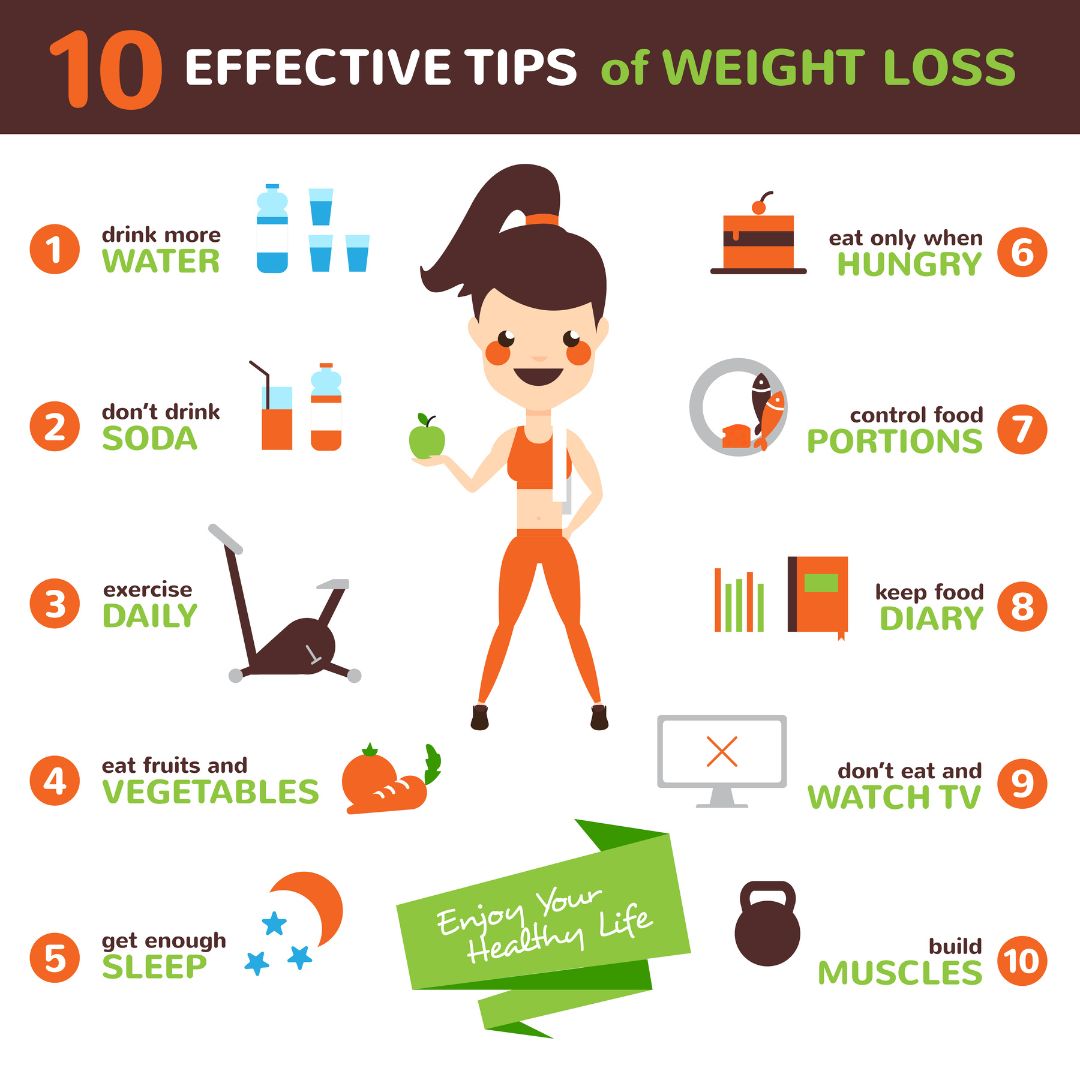
1. Focus on a Balanced Diet
Choose whole, minimally processed foods such as:
Vegetables and fruits
Lean proteins
Whole grains
Healthy fats
These foods support metabolism, reduce cravings, and help regulate appetite.
“Let food be thy medicine and medicine be thy food.” - Hippocrates
2. Practice Portion Awareness
Even healthy foods can stall progress if portions are too large. Eating slowly, tuning into hunger cues, and using smaller plates can make a noticeable difference.
3. Reduce Processed Foods and Added Sugars
Processed snacks and sugary drinks add calories without supporting health. Cutting back here often leads to faster, more sustainable progress.
4. Move Your Body Consistently
Aim for at least 150 minutes of moderate activity per week, such as:
Walking
Cycling
Swimming
Light cardio
Movement improves metabolism, heart health, and mental clarity.
“Those who think they have no time for exercise will sooner or later have to find time for illness.” - Edward Stanley
5. Include Strength Training
Strength training 2–3 times per week helps preserve muscle and supports a higher metabolic rate. Muscle tissue burns more calories—even at rest.
6. Stay Hydrated
Water supports digestion, metabolism, and appetite control. Many people mistake thirst for hunger, leading to unnecessary snacking. “The first and most important medicine is water.”
7. Prioritize Quality Sleep
Getting 7–9 hours of sleep helps regulate hunger hormones and improves decision-making around food. Poor sleep often leads to increased cravings and stalled progress.
“Early to bed and early to rise makes a person healthy, wealthy, and wise.” - Benjamin Franklin
8. Manage Stress Effectively
Chronic stress can drive emotional eating and hormonal imbalance. Practices like deep breathing, meditation, gentle movement, or hobbies can help restore balance.
9. Set Realistic Goals
Healthy weight loss is typically 1–2 pounds per week. Slower, steady progress is far more sustainable than rapid drops that rebound.
10. Track Progress for Awareness
Food and activity tracking can help identify patterns and areas for improvement. Awareness builds consistency—and consistency builds results.
11. Don’t Do It Alone
Support matters. Friends, family, and professional guidance can make the process more manageable and more successful. No one succeeds completely alone.
Final Thoughts
Lasting weight loss isn’t about willpower—it’s about alignment. When nutrition, movement, sleep, stress, and support work together, progress follows naturally.
Remember: the only way to finish is to start.
Frequently Asked Questions
How fast can I safely lose weight?
Most people can safely lose 1–2 pounds per week. Some notice changes within weeks; others need more time. Consistency matters more than speed.
Do I need to eliminate carbs to lose weight?
No. Carbohydrates are an important energy source. Focus on whole-food carbs and appropriate portions rather than total elimination.
Can I lose weight without exercising?
Nutrition changes can lead to weight loss, but exercise improves results, supports muscle, and enhances overall health.
What if I hit a plateau?
Plateaus are normal. Adjust nutrition, vary movement, improve sleep, manage stress, or seek personalized guidance.
Are weight loss supplements effective?
Most supplements lack strong evidence and can carry risks. Sustainable results come from nutrition, movement, sleep, and lifestyle foundations. Science-based supplements can be quite useful, but only if they come from reputable, verifiable sources. More on that in subsequent blog posts.
How many calories should I eat to lose weight?
Calorie needs vary by age, sex, activity level, and health. A general guideline is a 500–1,000 calorie daily deficit for steady progress—but personalization is key.
Ready to Take the Next Step?
If you’re looking for science-guided, personalized support to lose weight and improve energy sustainably, book a discovery call and let’s build a plan that fits your life.


