How Self-Awareness Boosts Emotional Intelligence
Understanding Self-Awareness: A Key to Emotional Intelligence
Many people are curious about self-awareness and how it impacts their lives. Today, we are exploring what self-awareness is and why it's important. Self-awareness means being aware of different aspects of yourself, including your emotions and thoughts. It is the foundation of emotional intelligence, which helps you understand and manage your emotions.
Why Self-Awareness Matters
Self-awareness is important for many reasons. Let’s take a closer look at how it can impact your life:
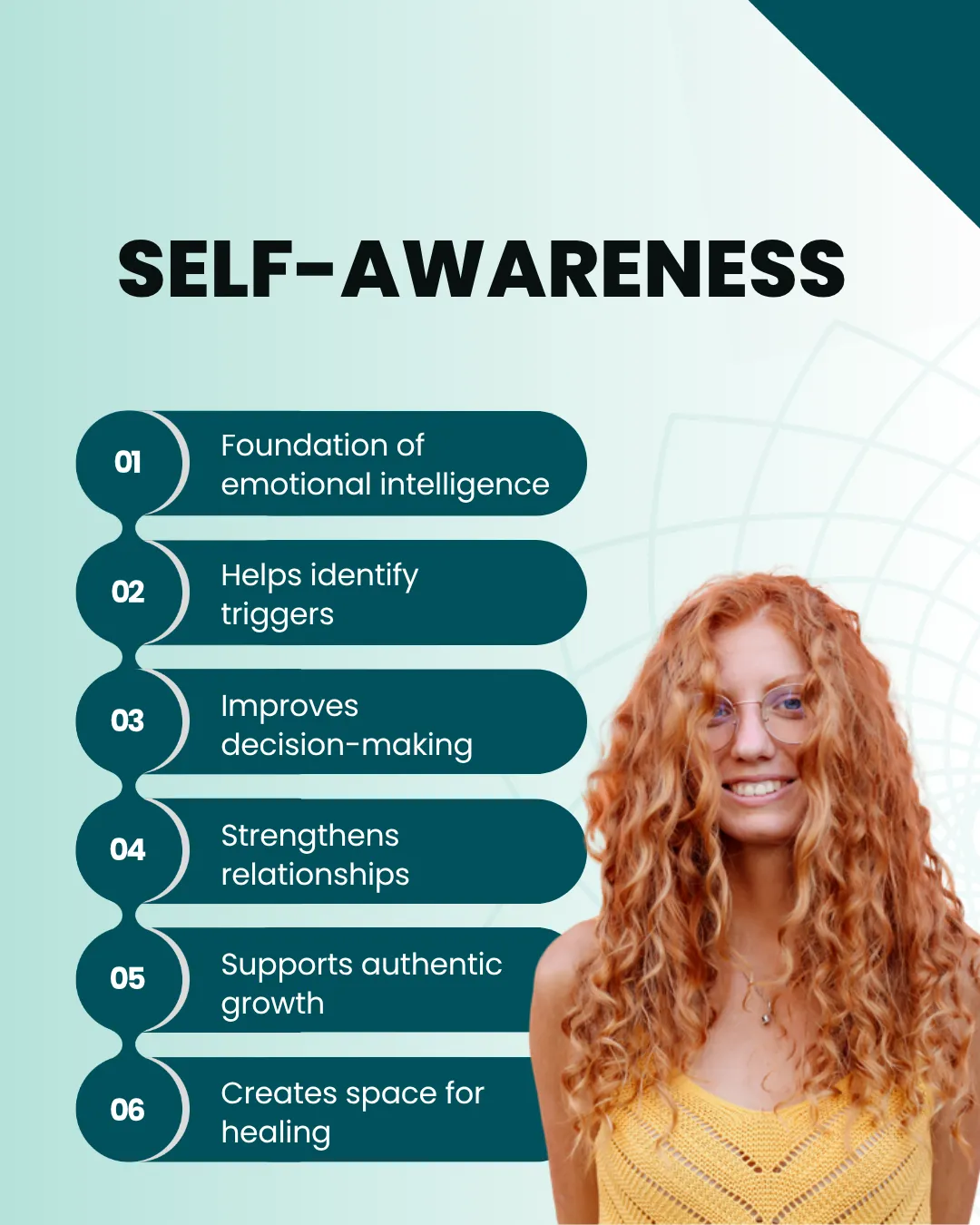
- Foundation of Emotional Intelligence: Self-awareness is the base of emotional intelligence. When you know yourself better, you can handle your emotions better. This means you can make smarter choices, both at home and at school or work.
- Helps Identify Triggers: We all have things that upset us or make us happy. Being self-aware helps identify these triggers. Knowing your triggers means you can respond to situations more calmly.
- Improves Decision-Making: Self-awareness sharpens decision-making skills. By being aware, you understand how certain choices affect your feelings. This understanding helps you make better decisions that align with your values.
- Strengthens Relationships: Self-awareness also strengthens relationships. When you know how you feel and why, you communicate better. This helps you connect with friends or family more deeply.
- Supports Authentic Growth: Growing as a person is important. Self-awareness is the key to personal growth. When you know your strengths and weaknesses, you can work on becoming a better version of yourself.
- Creates Space for Healing: Finally, self-awareness creates space for healing. Everyone experiences hurts or disappointments. Being aware of these feelings allows you to address and heal from past events.
Steps to Enhance Self-Awareness
Enhancing self-awareness is not difficult, but it does require practice. Here are six simple steps to get you started:
- Start Journaling: Write down your thoughts and feelings daily. This practice helps in recognizing emotional patterns.
- Reflect on Your Actions: Think about why you do what you do. Reflection helps in understanding motivations behind actions.
- Seek Feedback: Ask friends and family for feedback. Other people's perspectives can help reveal areas you may not notice.
- Practice Mindfulness: Mindfulness is about staying present. By focusing on the present moment, you become more aware of your thoughts and feelings.
- Set Personal Goals: Setting goals encourages self-reflection. Reflecting on what you want to achieve helps you understand yourself better.
- Embrace Change: Be open to change. Accepting new experiences can teach you more about yourself.
The Impact of Self-Awareness in Daily Life
Self-awareness doesn't just help you personally; it impacts all areas of life. Here’s how:
- Improves communication at home and work.
- Increases empathy towards others.
- Enhances problem-solving skills.
- Makes you more adaptable to changes.
Conclusion
In conclusion, self-awareness is a vital part of emotional intelligence and personal development. By making an effort to know yourself better, you open the door to a happier, healthier life. Remember, becoming self-aware is a journey, not a destination. Practice these steps and watch how they transform your life.


