Focus on What You Can Control for Better Health
The Power of Focusing on What You Can Control
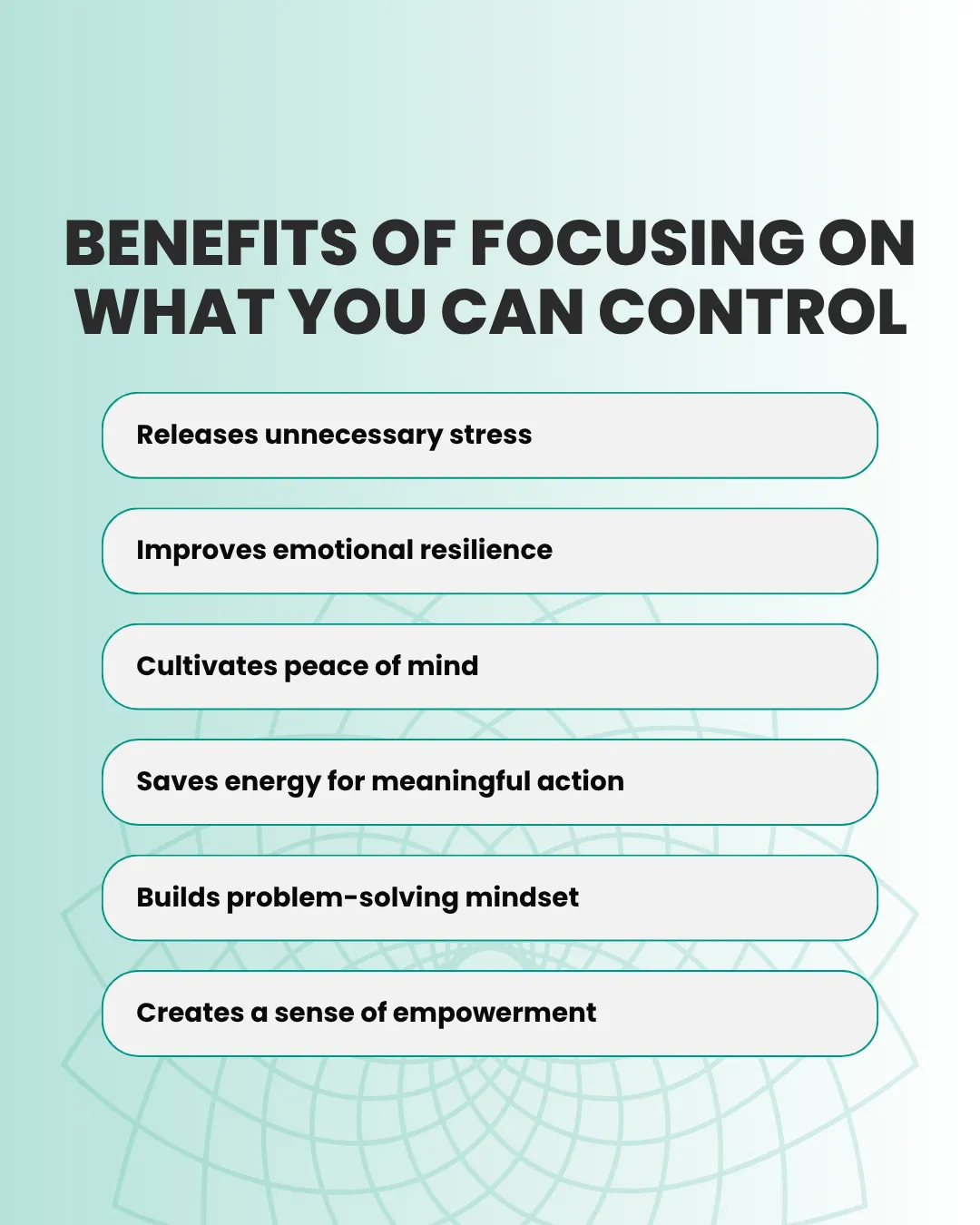
In life, there are many factors that we simply cannot control. These may include the weather, other people's actions, or even random events. However, shifting our focus to what we can control can bring about significant benefits, improving our overall health and well-being. By taking charge of certain aspects of our lives, we can release unnecessary stress, improve emotional resilience, and cultivate a peaceful mindset. Here, we explore how concentrating on controllable factors can enhance our daily lives.
Releasing Unnecessary Stress
Stress is a common challenge that many people face. It's easy to get overwhelmed by factors beyond our control, but focusing on what we can manage allows us to release unnecessary stress. Here are some ways it helps:
- Identifying controllable factors: By recognizing what we can change, we reduce anxiety caused by uncertainty.
- Setting realistic goals: Concentrating on achievable tasks helps build confidence and reduces feelings of helplessness.
- Creating daily routines: Establishing structure in your life can provide a sense of stability and control.
Improving Emotional Resilience
Resilience is the ability to bounce back from life’s challenges. By focusing on what you can control, you can strengthen this vital trait. Consider the following:
- Handling emotions effectively: When we concentrate on our reactions rather than external events, we build emotional strength.
- Building positive habits: Regularly engaging in mindfulness or gratitude exercises can boost resilience.
- Seeking support when needed: Leaning on friends and family encourages emotional growth and understanding.
Cultivating Peace of Mind
Inner peace can often seem out of reach, but focusing on controllable aspects can lead to a more serene mind. Here's how:
- Practicing mindfulness: Being present in the moment shifts attention away from uncontrollable worries.
- Setting boundaries: Knowing when to say 'no' or step back preserves energy for what truly matters.
- Embracing acceptance: Accepting what cannot be altered fosters a calm and composed mindset.
Saving Energy for Meaningful Action
By directing our focus on what we can change, we preserve energy for worthwhile endeavors. Here's why it works:
- Preventing burnout: Allocating resources to feasible tasks avoids overexertion.
- Prioritizing effectively: Focusing on meaningful pursuits increases satisfaction and fulfillment.
- Boosting productivity: Concentrated efforts lead to tangible accomplishments, enhancing motivation.
Building a Problem-Solving Mindset
Focusing on controllable aspects helps develop a proactive mindset. Here are some benefits:
- Enhancing creativity: Encountering problems as opportunities encourages innovative thinking.
- Learning from failures: Viewing setbacks as learning experiences fosters growth.
- Encouraging adaptability: Being open to change enhances our ability to respond to new challenges.
Creating a Sense of Empowerment
Taking control of what we can strengthens our sense of empowerment. Consider these advantages:
- Building confidence: Achieving goals boosts self-esteem and personal power.
- Encouraging self-reflection: Understanding our capabilities allows for personal assessment and growth.
- Fostering optimism: Recognizing and appreciating achievements encourages a positive outlook.
Conclusion
Focusing on what you can control is more than just a strategy; it's a lifestyle change that empowers you to lead a healthier, happier life. By releasing stress, improving resilience, cultivating peace, and saving energy for meaningful action, you can transform your life for the better. Embrace this approach today and experience the profound impact it can have on your well-being.


