The Essential Power of Rest for Wellness
The Essential Power of Rest for Wellness
In our fast-paced world, taking a break often feels like a sign of weakness. However, rest is not a luxury—it's a vital necessity for maintaining both physical and mental health. This mindset shift is important for anyone aiming to live a balanced and fulfilling life.
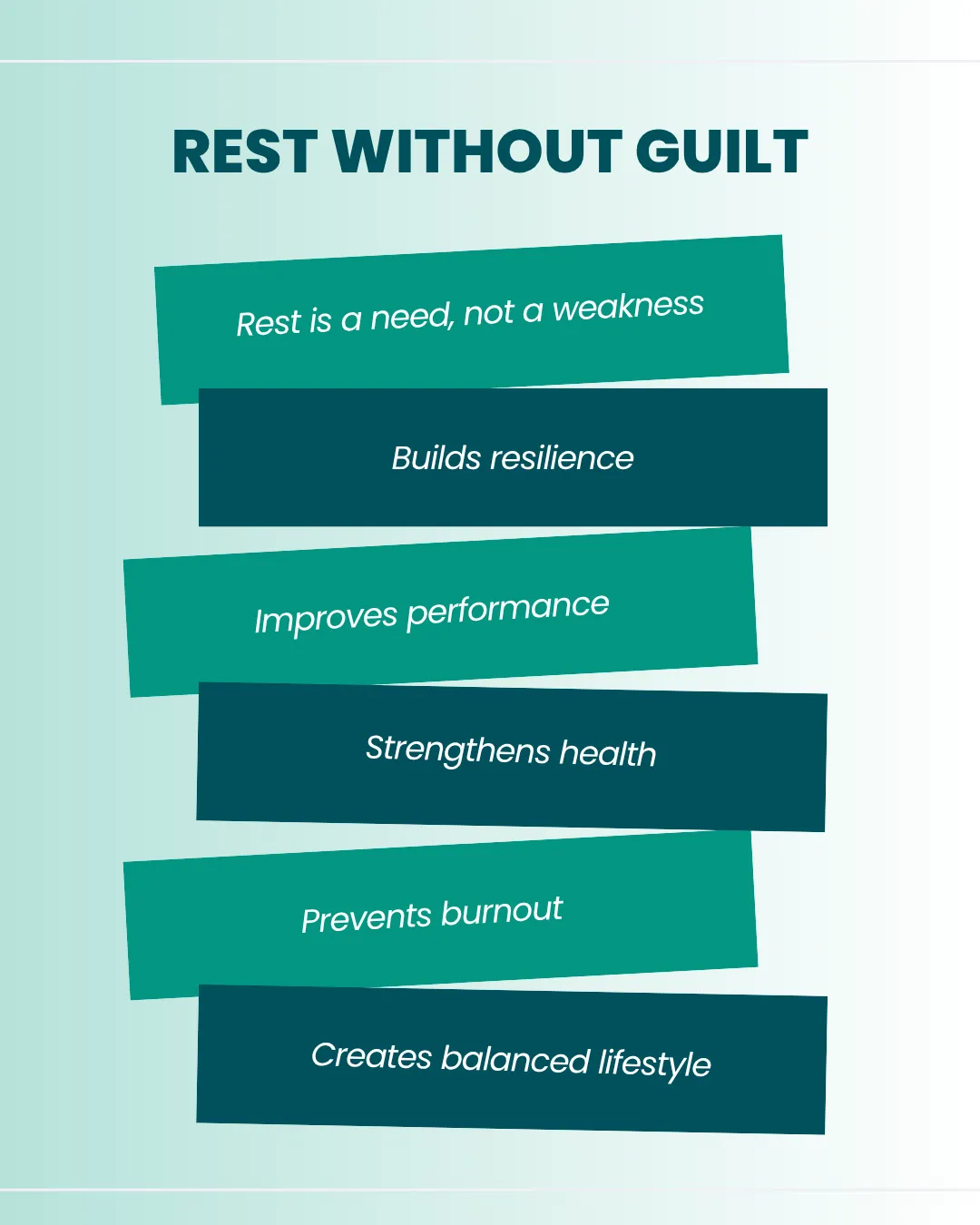
Rest is a Need, Not a Weakness
It is easy to underestimate the importance of rest. Many people believe that pushing through fatigue is a badge of honor. In reality, consistent downtime replenishes our body's energy and helps us function at our best. Instead of viewing rest as a weakness, consider it as a strength that refuels and recharges us.
How Rest Builds Resilience
Resilience is our ability to bounce back from stress. Rest plays a crucial role in building this resilience. By taking breaks, our minds and bodies get the chance to recover from daily challenges, building a greater capacity to cope with future stressors. This is particularly vital during demanding periods when pressure and challenges are higher than usual.
Enhancing Performance through Rest
You might think that more work equals better performance. However, studies show that taking regular breaks can significantly improve productivity and performance. During rest, our brains process and consolidate information, improving memory and cognitive function. Thus, a well-timed rest can lead to enhanced performance at work or school.
Strengthening Health
Regular rest is fundamentally tied to physical health. During downtime, our bodies repair cells, boost our immune systems, and reset hormone levels. This not only makes us feel better but also helps prevent illnesses. A proper balance of rest and activity can lead to a stronger, healthier body.
Preventing Burnout
Burnout is becoming increasingly common, often resulting from a lack of rest. It manifests as ongoing stress and exhaustion, negatively affecting both mental and physical health. Prioritizing rest is crucial in preventing burnout. By including regular breaks in our routine, we can maintain enthusiasm and focus, avoiding the pitfalls of exhaustion.
Creating a Balanced Lifestyle
Embracing rest isn't just about reducing stress or preventing illness—it's a key part of creating a balanced lifestyle. A good work-life balance involves taking intentional time for relaxation and activities that rejuvenate us, fostering overall well-being. Strive to integrate relaxation into every part of your life to achieve a harmonious balance.
How to Incorporate Rest
- Schedule Breaks: Plan short breaks throughout your day to unwind and gather your thoughts.
- Create Restful Rituals: Implement calming activities, like reading or meditating, into your evening routine to prepare for restful sleep.
- Set Boundaries: Limit work and screen time so that your body knows it’s time to rest.
- Prioritize Sleep: Aim for 7-9 hours of sleep per night to fully recharge.
Incorporating these strategies into your daily routine will lead to a more resilient, healthy, and balanced life. Remember, rest is not a sign of weakness; it's a fundamental part of living your healthiest life.
Take time to rest without guilt. Embrace it as a vital component of your overall wellness strategy.


